But Did You Document It? Setting Your HR Foundation for the Year Ahead
But did you document it?” is one of those sayings where, if you know, you know. As my teenager likes to remind me. And it really is true.
If you have ever found yourself in a situation where you realized you did not have the documentation you needed as a manager or business owner, that phrase probably hits home. You knew the conversation happened. You remember what was discussed. But when it mattered most, there was nothing in writing to support it.
This time of year, there is a lot of focus on new plans, projects, and growth opportunities. As you look ahead, I encourage you to pause and ask a different question. How strong is your foundation?
Are you recapping coaching conversations so both you and your employee can reflect on what was discussed? When you set a policy or clarify an expectation, is it written down for future reference and future employees? Or once it is said, does it slowly fade from memory?
If you are reading this and thinking, “That sounds like us,” do not stress. Many managers and business owners operate this way until they find themselves in a moment where someone asks, “But did you document it?”
When people hear the word documentation, especially in the context of human resources, it can feel overwhelming. Big. Complicated. Formal. In reality, documentation simply means there is a record, ideally time stamped, that shows something happened.
One of the simplest and most effective habits is sending a quick recap after a team meeting, coaching conversation, or one on one. A short follow up email outlining what was discussed, key takeaways, and next steps goes a long way. Not only does it create documentation, it also gives your team a clear reminder of expectations moving forward. The key is consistency.
Written policies are another important foundation. If policies live only in your head, it becomes easy to answer the same question differently later. Over time, this can lead to unintentional inconsistency, especially around topics like time off. Your policies do not need to be fancy. They just need to live in one consistent place where you and your team know how to find them.
Another helpful practice is putting some ownership of documentation back onto your employees. It is common to be asked a question when you are in the middle of other tasks. Instead of saying, “I’ll get back to you,” try saying, “Can you email me that question so I can give it the attention it deserves?” This helps you respond thoughtfully and creates a written record.
The most important thing to remember about documentation is not that it must be formal, complicated, or expensive. It simply needs to be consistent and convenient.
When your HR foundation is clear, documented, and easy to reference, you set yourself and your team up for a smoother year. And the next time that question comes up, “But did you document it?” you can confidently say yes.
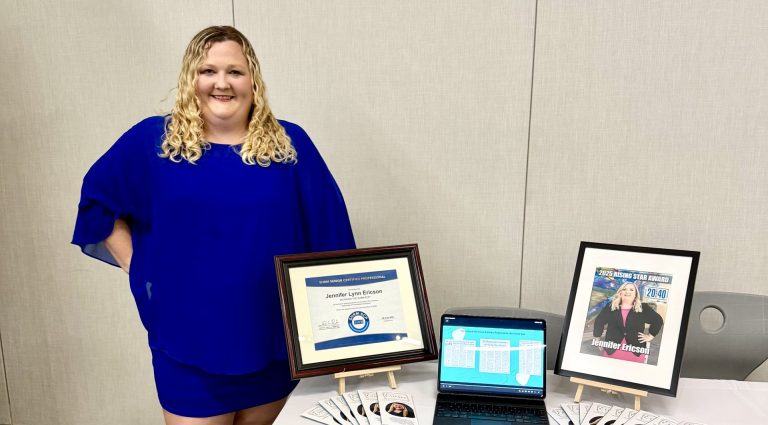
Jennifer Ericson, SHRM-SCP, is a consultant focused on leadership, culture, and people strategy. She also serves as a SHRM-CP instructor and board member of Yuma’s SHRM chapter. You can reach her at hello@JenniferEricson.com.